
For many people, buying a trailer feels like a practical, even obvious decision. It promises convenience, the ability to haul furniture, transport equipment, or handle weekend projects without relying on anyone else. At the time of purchase, it’s easy to imagine frequent use and long-term value.
The Reality of Trailer Ownership
But reality tends to look very different.
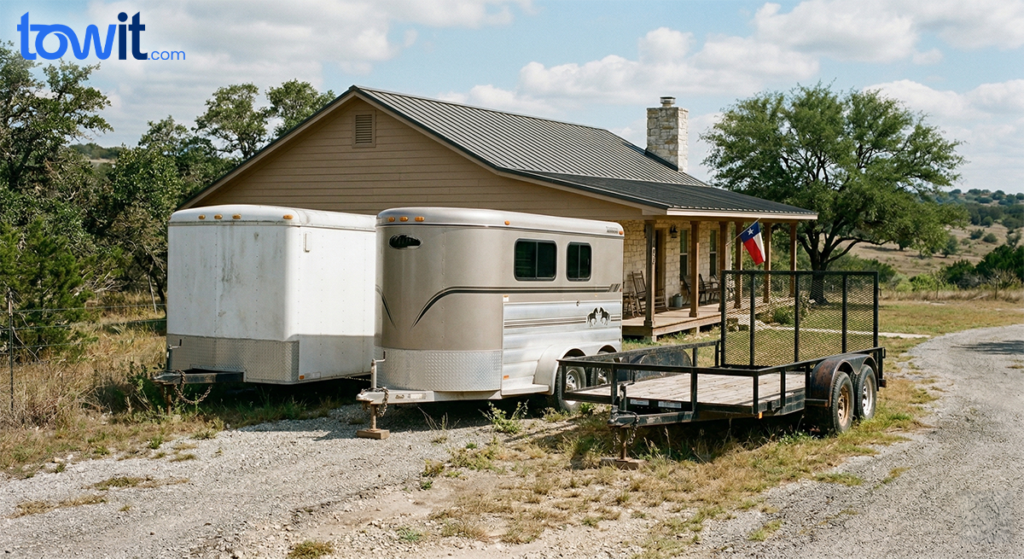
For most owners, a trailer is used only a handful of times each year. Maybe it comes out during a move, a home improvement project, or a seasonal cleanup. Outside of those moments, it sits parked in a driveway, tucked into a garage, or stored off-site, often untouched for months at a time. What was once seen as a useful tool slowly becomes something else, an asset that rarely moves.
This gap between expectation and actual use is easy to overlook. Ownership creates a sense of readiness, of being prepared for anything. Yet that feeling often comes at a quiet cost. Even when a trailer isn’t in use, it continues to depreciate. Tires wear down with time, maintenance is still required, and registration or insurance fees do not disappear. It also takes up space, sometimes more than we realize, occupying areas that could be used for something else.
Rethinking Ownership
What’s interesting is that most people do not think of this as wasteful. The logic of “better to have it than not” is deeply ingrained. Renting can feel inconvenient, and borrowing is not always reliable. So the trailer stays, waiting for the next time it might be needed, even if that moment is months away.
At the same time, there has been a noticeable shift in how people think about ownership in general. Access is becoming more valuable than possession. From cars to tools, many are choosing options that allow them to use what they need, when they need it, without taking on the full burden of ownership. Trailers fit naturally into this shift, especially given how infrequently they are used by the average owner.
What makes trailers particularly interesting is that they do not have to remain idle. An unused trailer does not have to be a sunk cost, it can become something more dynamic. When shared or rented out, it transforms from a dormant object into something that creates value. Instead of sitting still, it starts working, offsetting its own costs or even generating income.
For those who do not own one, the equation also changes. Accessing a trailer only when it is needed often makes more sense than paying for one that spends most of its life unused. It removes the friction of maintenance and storage while still providing the same utility at the moment it matters.
In the end, the question is not whether trailers are useful, they clearly are. The real question is whether they need to be owned to deliver that usefulness. For many people, the answer is shifting.
A trailer sitting idle may not seem like a problem at first glance. But when you look closer, it represents something bigger, an opportunity to rethink how we use the things we own. Because a trailer that barely moves is not just underused, it is potential waiting to be unlocked.